
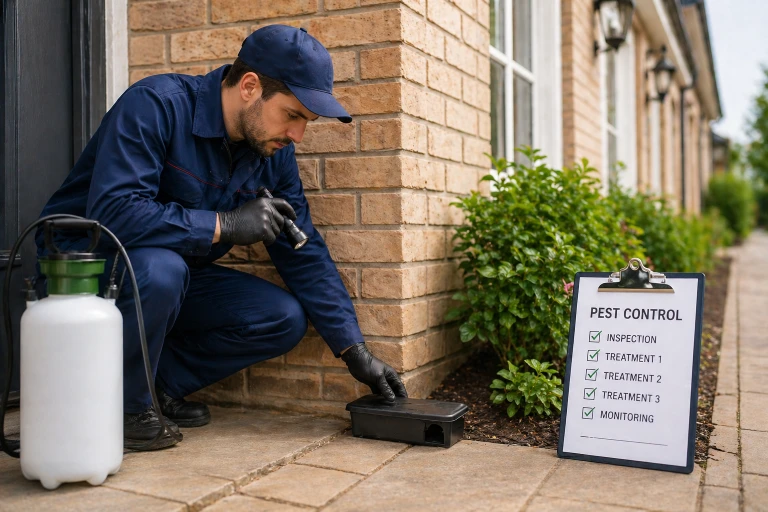
Why pest control requires multiple visits stems from the biology of pests and how treatments work in real homes and businesses. Many homeowners and property managers expect one visit to solve everything. Yet pests often come back because a single application rarely addresses every stage of the problem.
Professionals at Bugs N Pests explain this clearly to clients in Edmonton and surrounding areas. They schedule follow-up visits to target pests that survive the first round. This approach gives you better results and peace of mind.
The Main Reason One Treatment Falls Short
Pests follow a lifecycle that includes eggs, larvae or nymphs, pupae, and adults. Most chemical treatments kill adult pests on contact or through residual action. They do not always penetrate the protective shells of eggs. Eggs survive pest control in many cases. These eggs stay hidden in cracks, crevices, furniture seams, or wall voids. Days or weeks later, they hatch. New pests appear even after you see no activity right after the first service. This creates the impression that the treatment failed when it actually worked on the visible adults.
You need more than one pest control treatment because the timing must match the pest lifecycle. A second visit catches the newly hatched insects before they mature and lay more eggs. This breaks the cycle.
Pest Lifecycle and Treatment Cycles Explained
Consider common household pests. Cockroaches produce egg cases called oothecae. These cases protect the developing nymphs from many sprays. One treatment may kill roaming adults, but the cases remain intact. Nymphs emerge and quickly rebuild the population. Bed bugs follow a similar pattern. Females lay eggs in tiny clusters along mattress edges, box springs, and baseboards. Standard insecticides often miss these eggs. The EPA notes that many pesticides will not kill eggs, so treatment must repeat after they hatch. Without follow-up, the infestation returns.
Termites operate differently but still require multiple visits. Subterranean termites live in large colonies with workers, soldiers, and a queen. A first treatment may disrupt foraging tunnels, yet hidden satellite colonies or untreated areas allow survivors to persist. Follow-up inspections and applications ensure the entire colony weakens over time. Rodents like mice and rats present another challenge. They do not have an "egg" stage, but they reproduce fast. A single trapping or baiting effort may reduce numbers, yet pregnant females or young from hidden nests continue the problem. Multiple treatments combined with exclusion work best.
Fleas add another layer. Their eggs drop into carpets and pet bedding. Larvae feed on organic debris before pupating. Pupae stay dormant and resist many products. One visit kills adult fleas on your pet, but the home environment still holds thousands of future adults. Pest control multiple treatments explained in this context usually means an initial knockdown plus a follow-up after two to four weeks.
Why Pests Come Back After Treatment
Several practical reasons explain pest reinfestation:
-
Surviving eggs and immature stages: As noted, protective casings shield eggs.
-
Hidden harborages: Pests hide in places sprays cannot reach during one quick visit.
-
Re-entry from outside: Ants, spiders, or rodents find new ways in through unsealed gaps.
-
Incomplete preparation: Homeowners sometimes leave clutter or food sources that protect pests.
-
Resistance or product limitations: Some pests develop tolerance, and single products may not cover every situation.
-
Neighboring units or buildings: In apartments or row houses, pests move between properties.
These factors show why one pest control treatment is not enough. Professionals plan visits around the expected hatching times for the specific pest. For many insects, this means a follow-up around 14 to 21 days later.
Do You Need More Than One Pest Control Treatment?
The answer depends on the pest and the size of the infestation. Minor ant trails may clear with one thorough service plus good sanitation. Severe bed bug or German cockroach problems almost always demand multiple treatments. Property managers dealing with multi-unit buildings face higher risks. One untreated unit can seed others. A structured program with scheduled visits prevents spread and limits liability.
Businesses also benefit from multiple treatments. Restaurants, warehouses, and offices cannot afford even brief resurgences that affect customers or staff. Ongoing monitoring spots issues early. At bugsnpests, technicians assess each property and recommend a plan that fits the situation. You can request a free quote for targeted services or sign up for regular maintenance that includes preventive visits.
What Happens During Multiple Treatment Visits
The first visit focuses on knockdown. Technicians inspect thoroughly, identify entry points and harborages, and apply products to reduce the active population. They explain preparation steps so you help the process. The second visit targets survivors. By then, many eggs have hatched. Fresh applications hit these vulnerable young pests. Technicians check progress and adjust as needed. Additional visits may follow for stubborn cases like termites or heavy rodent activity. Each trip includes monitoring tools such as glue boards or bait stations to track remaining activity.
This sequence delivers results that last. You avoid the frustration of pests returning shortly after paying for service.
Safety Considerations for Homeowners and Families
Safety matters when you schedule pest control. Licensed professionals choose products approved for residential use and apply them according to label directions. They explain any re-entry times so you and your pets stay protected.
You can take extra steps:
-
Vacuum carpets and floors before and between visits to remove eggs and debris.
-
Store food in sealed containers.
-
Reduce clutter that gives pests places to hide.
-
Fix leaks because moisture attracts many species.
Children and pets deserve special care. Ask your technician about pet-safe options and how they protect sensitive areas.
Prevention Steps That Reduce the Need for Repeated Treatments
Good prevention limits reinfestation risks. Seal cracks around windows, doors, and pipes with caulk. Install door sweeps and repair screens. Keep gutters clean and trim vegetation away from the foundation. Store firewood off the ground and away from the house. This helps with carpenter ants and termites. Maintain clean kitchens and bathrooms. Wipe surfaces daily and take out trash regularly. For bed bugs, inspect secondhand furniture carefully before bringing it inside. Use mattress encasements as a barrier.
These habits support the work done during professional visits. They make each treatment more effective and may reduce the total number of visits over time.
When to Call Professionals Instead of Trying DIY
Many homeowners try store-bought sprays first. These products often reach only surfaces and miss deep harborages. They rarely address the full lifecycle. DIY efforts can push pests into harder-to-reach areas or cause them to scatter. This makes the eventual professional job more difficult. Bugsnpests offers same-day and 24/7 emergency service for urgent situations. Their team handles everything from cockroach control and bed bug treatment to rodent removal and termite solutions. They serve both homes and commercial properties with clear communication at every step. If you see signs of pests—droppings, gnaw marks, unusual odors, or live sightings contact a professional promptly. Early action often means fewer visits overall.
Real-World Examples from Home and Business Settings
A family in a single-family home noticed small black droppings near the kitchen baseboards. The first treatment eliminated visible cockroaches. Two weeks later, tiny nymphs appeared. The follow-up visit used targeted baits and growth regulators. The family saw no further activity after the complete cycle. An apartment building manager faced repeated bed bug complaints. Single-unit treatments failed because bugs moved through shared walls. A building-wide program with multiple coordinated visits plus resident education finally brought the issue under control. A restaurant owner dealt with persistent German cockroaches. Monthly preventive service that included multiple initial treatments plus ongoing monitoring kept the kitchen compliant and customers happy. These stories show that patience with the recommended treatment schedule pays off.
Integrated Pest Management Supports Long-Term Success
Modern pest control combines several methods. Technicians use baits, gels, dusts, and insect growth regulators alongside sanitation advice and exclusion work. This integrated approach reduces reliance on any single product and limits resistance risks. Government resources provide helpful background. The United States Environmental Protection Agency offers guidance on bed bug management and explains why follow-up matters when eggs survive initial applications. You can review their materials to understand best practices.
Common Questions About Multiple Treatments
Why does pest control take multiple treatments?
Pests have different life stages. Treatments usually affect adults and some nymphs but leave eggs untouched. Follow-up visits catch the next generation.
How many visits will I need?
It varies. Many situations are clear with two or three visits spaced appropriately. Severe or widespread infestations may need more plus maintenance.
Do the treatments harm my family or pets?
Licensed technicians follow strict safety guidelines. They select appropriate products and provide re-entry instructions. Proper preparation further reduces risks.
Will pests definitely come back without multiple visits?
Not always, but the chance increases significantly if eggs or hidden pests remain. Multiple treatments give you the best opportunity for lasting control.
Can I speed up the process?
Prepare the property as advised, maintain cleanliness, and follow exclusion tips. These actions help treatments work faster and more completely.
Is ongoing service necessary after the initial treatments?
For many properties, quarterly or seasonal preventive visits provide the strongest protection. They catch new threats before populations grow.
