
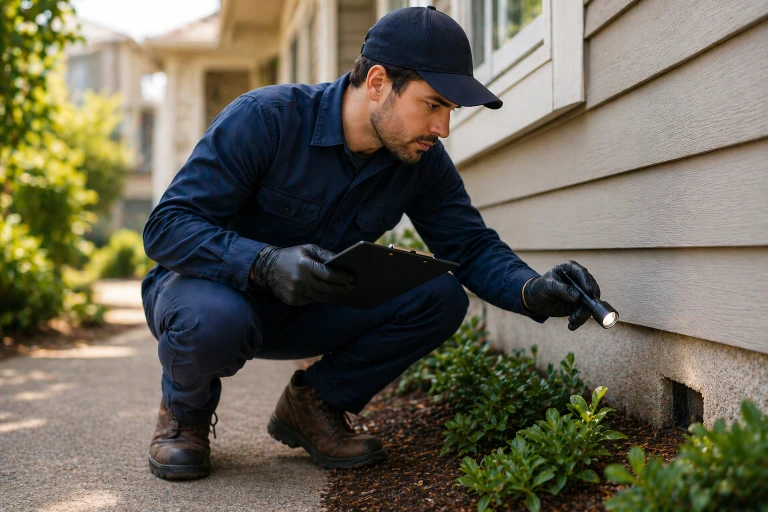
Professional pest inspection in Edmonton is one of the smartest steps any homeowner, property manager, or business owner can take before a small problem turns into a serious infestation. Edmonton's climate, with its cold winters and warm summers, creates conditions where pests actively seek shelter inside homes and commercial buildings. A trained inspector knows exactly where to look, what signs to follow, and how to give you a clear picture of what is happening inside your property.
Whether you just moved into a new home, noticed something suspicious behind your walls, or simply want peace of mind, understanding how a pest inspection works puts you in control. This guide walks you through the entire process from start to finish.
What Is a Professional Pest Inspection in Edmonton?
A professional pest inspection in Edmonton is a detailed, systematic examination of your property carried out by a licensed exterminator or pest control technician. The goal is to identify current infestations, locate entry points, assess structural vulnerabilities, and determine which pests are present or likely to appear.
This is not a quick walk-through. A thorough inspection covers the interior and exterior of the property, including areas most homeowners never think to check, such as crawl spaces, attic insulation, wall cavities, pipe runs, and foundation gaps.
Edmonton pest inspections are guided by provincial regulations set out by Alberta Health Services and Alberta Environment and Protected Areas, which establish standards for pest management professionals operating in the region.
Why Edmonton Homeowners Need Regular Pest Inspections
Edmonton sits in a part of Alberta where seasonal temperature swings push rodents, insects, and other pests indoors. Mice and rats begin searching for warm entry points as early as September. Cockroaches thrive in heated buildings year-round. Bed bugs travel through multi-unit housing and hotels without any regard for the season.
The problem with most pest infestations is that they stay hidden for weeks or months before becoming visible. By the time you see a mouse running across your kitchen floor or find bed bug stains on your mattress, the infestation is often already established.
A professional pest inspection in Edmonton catches these situations early. Early detection means lower treatment costs, less structural damage, and a faster resolution. For landlords and property managers, regular inspections are also a way to protect tenants and stay compliant with Alberta's residential tenancy standards.
How the Edmonton Pest Inspection Process Works
The process starts with a phone call or online booking. A reputable Edmonton pest control company will ask you a few questions about what you have noticed, the age and type of your property, and any previous pest activity. This information helps the technician prepare the right tools and know which pests to prioritize during the visit.
Exterior Inspection
The technician begins outside. This exterior assessment is critical because most pests enter from the outside in. The inspector checks:
-
Foundation cracks and gaps where pipes or wiring enter
-
Roofline overhangs, vents, and soffits that birds or wasps may use
-
Window and door frames with damaged seals
-
Wood piles, garden beds, and debris near the building that attract rodents
-
Drainage areas and standing water sources that draw insects
For rodent inspection in Edmonton, this exterior walk is especially important. Mice can squeeze through a gap the size of a dime. Rats need only slightly more space. Finding and documenting these entry points is a key deliverable of the inspection.
Interior Inspection Room by Room
Inside the property, the technician follows a structured pest inspection checklist covering every room and zone. The interior inspection includes:
Kitchen and bathrooms: These areas offer food, moisture, and warmth. The inspector checks under sinks, behind appliances, around pipe penetrations, and inside cabinets for cockroach droppings, grease trails, rodent droppings, and moisture damage.
Bedrooms and living areas: For bed bug detection, the technician examines mattress seams, box springs, bed frames, and nearby furniture. Bed bug signs include tiny rust-colored stains, shed skins, and a faint musty odor.
Basement and crawl spaces: These areas are high-priority zones. The inspector looks for rodent tunnels, insect nesting, moisture damage, and any signs of termite or carpenter ant activity affecting structural wood.
Attic: Insulation is a common nesting ground for mice and squirrels. The technician checks for droppings, urine trails, and chewed insulation or wiring.
Utility rooms and laundry areas: Warm, dark, and often undisturbed, these spaces attract silverfish, cockroaches, and spiders.
Pest Detection Methods Used by Edmonton Inspectors
Professional inspectors use several detection methods beyond a visual scan. These include:
-
Flashlights and borescopes to see inside wall cavities and under flooring without causing damage
-
Moisture meters to identify hidden damp zones where insects nest
-
UV lights to detect rodent urine trails that are invisible to the naked eye
-
Monitoring stations placed in strategic locations to capture activity between visits
-
Canine detection in some cases, particularly for bed bug inspections, where trained dogs can locate live bed bugs with remarkable accuracy
These pest detection methods give Edmonton exterminators a level of certainty that a DIY inspection simply cannot provide.
The Inspection Report
After the assessment, the technician produces a written report. This document outlines:
-
All pests identified or suspected
-
Evidence collected during the inspection
-
Entry points and risk areas discovered
-
Recommended treatment options with explanations
-
A priority list of repairs or exclusion work
This report is your roadmap. It gives you the information you need to make a clear, informed decision about next steps. It also serves as a valuable document for landlords, real estate buyers, and insurance purposes.
Pre-Purchase Pest Inspection in Edmonton
If you are buying a home in Edmonton, a pre-purchase pest inspection is one of the most valuable investments you can make before signing any agreement. Home inspectors check the structure and systems of a property, but they are not pest specialists. A dedicated pest inspection can reveal:
-
Active rodent activity in walls or attics
-
Carpenter ant damage to load-bearing wood
-
Evidence of past or current bed bug infestations
-
Hidden cockroach colonies in kitchen areas
Discovering any of these issues before purchase gives you negotiating power and prevents expensive surprises after you move in. Pre-purchase pest inspection in Edmonton is a service BugsNPests offers to home buyers across the city.
Buying a home in Edmonton? Protect your investment with a pre-purchase pest inspection. Visit bugsnpests to book your assessment today.
Termite and Carpenter Ant Inspection in Edmonton
While true subterranean termites are more common in warmer Canadian provinces, Edmonton properties are not entirely free of wood-destroying insects. Carpenter ants are a significant concern and can cause damage that looks similar to termite activity. A termite inspection in Edmonton conducted by a professional includes checking all structural wood members, especially in basements, crawl spaces, and around window frames where moisture is most likely to accumulate.
Signs an inspector looks for include frass (fine wood shavings), hollow-sounding wood, and mud tubes in the case of termites. If carpenter ants are present, you may hear faint rustling sounds inside walls at night.
Rodent Inspection in Edmonton
Rodent inspection in Edmonton is one of the most requested services, especially heading into fall and winter. Mice and rats carry diseases, contaminate food supplies, and chew through electrical wiring, creating fire hazards.
During a rodent-focused inspection, the technician traces runways, checks gnaw marks, identifies nesting materials, and maps entry points. This information forms the basis of an exclusion plan, which seals the building and removes the conditions attracting rodents.
Hearing scratching noises at night? BugsNPests provides expert rodent inspection and control across Edmonton. Call or visit bugsnpests to get started.
What Does a Professional Pest Inspection Cost in Edmonton?
Professional pest inspection cost in Edmonton varies depending on the size of the property, the type of pests being assessed, and whether the inspection is a standalone service or bundled with treatment.
As a general guide:
-
A standard residential pest inspection in Edmonton typically ranges from $100 to $200
-
Pre-purchase inspections may sit at the higher end of this range due to the detailed documentation required
-
Inspections bundled with treatment are sometimes offered at a reduced fee or as a free assessment ahead of a treatment quote
The cost of an inspection is small compared to the cost of a full rodent remediation, bed bug heat treatment, or structural repair caused by carpenter ant damage. Think of an inspection as prevention rather than expense.
Signs of Pest Infestation to Watch for Between Inspections
Even with regular professional inspections, knowing what to look for yourself matters. Common signs of pest infestation in Edmonton homes include:
-
Droppings in kitchen cabinets, drawers, or along baseboards
-
Gnaw marks on food packaging, wiring, or wood trim
-
Unexplained bites or skin irritation after waking
-
Rustling or scratching sounds inside walls or ceilings at night
-
A musty or unusual odor in certain rooms
-
Visible insect activity like cockroaches running when you turn on a light
-
Shed insect skins or egg casings behind furniture
-
Dead insects accumulating on windowsills
If you notice any of these signs, do not wait for your next scheduled inspection. Contact a professional immediately. Early action is always less expensive and less disruptive than waiting.
Residential vs. Commercial Pest Inspections in Edmonton
Residential pest inspection services focus on single-family homes, condos, and rental units. Commercial inspections cover restaurants, offices, warehouses, retail spaces, and multi-unit residential buildings. The scope and frequency differ considerably.
Commercial properties in Edmonton are often subject to health code requirements and may need inspections on a scheduled basis to maintain compliance. Food service businesses in particular benefit from ongoing pest monitoring programs rather than one-time inspections.
BugsNPests serves both residential and commercial clients across Edmonton with inspection and treatment programs tailored to each property type.
Managing a rental property or commercial space? Ask BugsNPests about ongoing residential pest inspection services and commercial monitoring programs at bugsnpests.
How to Prepare for Your Edmonton Pest Control Inspection
Getting your home ready before the technician arrives helps the inspection go faster and produces better results. Here is what you can do:
-
Clear out areas under sinks and behind appliances
-
Move furniture away from walls in bedrooms and living areas
-
Provide access to the attic, basement, and crawl space
-
Note any specific areas where you have seen activity or damage
-
Have a list of any previous pest treatments or issues ready to share
The more information you give the inspector, the more focused and effective the assessment will be.
Frequently Asked Questions About Pest Inspections in Edmonton
How long does a pest inspection take in Edmonton?
A standard residential pest inspection in Edmonton takes between 45 minutes and two hours depending on the size and complexity of the property. Larger homes or commercial buildings may take longer.
Is a pest inspection the same as pest control treatment?
No. An inspection is an assessment that identifies the problem. Treatment is the action taken to eliminate it. Many companies offer both, and the inspection findings guide the treatment plan.
How often should I get a pest inspection in Edmonton?
Most pest control professionals recommend a full inspection at least once a year. Properties in higher-risk areas, older buildings, or homes with previous infestations may benefit from twice-yearly checks.
Can a pest inspector find bed bugs?
Yes. Bed bug detection is one of the most common reasons people call for a professional pest inspection in Edmonton. Inspectors are trained to find evidence of bed bugs even in early-stage infestations where you may not yet see any insects directly.
Do I need to leave my home during a pest inspection?
No. A standard inspection does not require you to vacate. The technician simply moves through the property and documents findings. You are welcome to follow along and ask questions.
What happens after the inspection report is delivered?
The technician reviews the findings with you and outlines your options. If treatment is recommended, you will receive a detailed plan and cost estimate. You are never obligated to proceed immediately, but acting quickly on serious findings is always the better path.
