
Pest control treatment time varies based on the type of pest, the size of your property, and the method used. Homeowners, property managers, and business owners often ask how long pest control treatment takes when they face an infestation. The answer depends on several practical factors. This guide explains everything in clear terms so you can plan ahead and make smart decisions.
What Affects Pest Control Treatment Time
Several things decide the full timeline. Technicians start by inspecting the place to figure out exactly what pest they're dealing with and how bad the problem is. A small ant issue in one room gets handled much quicker than a serious rodent problem spread throughout a big warehouse.
The treatment method makes a huge difference too. A straightforward spray for cockroaches or spiders can be done in under an hour. But heavier jobs like bed bug heat treatments or termite fumigation involve several steps and can stretch over multiple days. Weather also plays a part high humidity, for example, can drag out pest control drying time since the products need enough time to set properly before anyone or any pets come back inside.
The size and layout of the property matter as well. A regular single-family house takes less time than a multi-unit apartment building or a busy commercial kitchen. Bad infestations usually need follow-up visits, which naturally lengthens the overall pest control service duration.
Professionals keep safety in mind at every step. They pick products that work well while keeping risks low for people and pets when used the right way. Always stick to the exact instructions your service provider gives you since they know the specific products applied in your case.
How Long Does Spraying for Pests Take
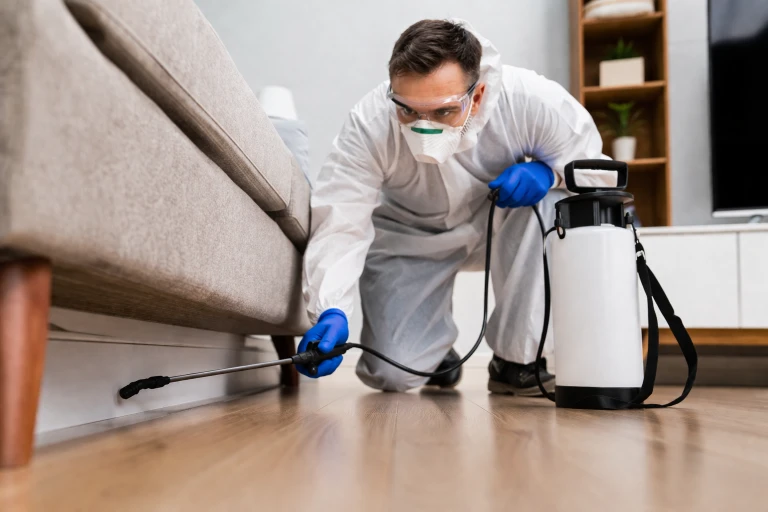
Spraying is still one of the most common ways to handle general household pests. For an average home, technicians can usually finish both interior and exterior spraying for ants, spiders, or cockroaches in 30 minutes to two hours. They focus on baseboards, cracks, crevices, and any spots where pests hide or move through.
The spraying itself goes pretty fast, but getting the area ready adds some extra time. You might have to clear off counters, shift furniture a bit, or cover sensitive items. Pest control drying time after spraying generally runs from one to four hours. Surfaces need to dry fully so the residual effect can keep working against pests that cross those areas later on.
For businesses such as restaurants or offices, treatments often get scheduled during off-hours to avoid interrupting operations. A complete perimeter spray plus interior spot treatments can take longer in commercial spaces because of the bigger area and more complicated layouts.
You can expect to see visible results within a few days for many crawling insects. Still, how long does pest control take to work fully might stretch to one or two weeks as the product gets rid of hidden populations and stops new activity. Regular quarterly services help keep protection solid and often cut down on future treatment times.
If you're dealing with ongoing issues with common pests in Edmonton or nearby areas, reach out to BugsNPests for a quick inspection and targeted spray service. Their team handles these jobs efficiently for both homes and businesses.
Duration of Pest Control Treatment for Bed Bugs
Bed bugs need careful handling because they hide in tight spots and multiply fast. A standard chemical treatment for a single room often takes two to four hours on the actual treatment day, but the whole process usually involves multiple visits.
Technicians begin with a detailed inspection that can last 30 to 60 minutes. They walk you through preparation steps like washing and drying all bedding on high heat, vacuuming floors and furniture, and getting rid of clutter. Good preparation shortens the active treatment time and boosts the chances of success.
Heat treatments for bed bugs can sometimes wrap up in one day, but they require several hours of keeping high temperatures throughout the space. Chemical applications may call for two or three follow-up visits spaced one to two weeks apart to catch any newly hatched eggs. Overall, you should plan for pest control treatment time of two to four weeks from the first visit to final clearance for moderate infestations.
How long pest control lasts after bed bug treatment depends a lot on how well you follow through. Keep checking with interceptors and steer clear of bringing in used furniture without inspecting it first. If bed bugs come back, catching them early keeps the next treatment shorter and less expensive.
Property managers handling apartment buildings should coordinate treatments across units to stop the bugs from spreading. Contact BugsNPests for bed bug control that includes clear preparation guides and follow-up checks tailored to multi-unit properties.
How Long Does Fumigation Take
Fumigation is a strong choice for serious infestations of termites, bed bugs, or other pests that get deep into structures. The entire process usually stretches across two to five days, depending on the building size and local rules.
Preparation day means removing or bagging food, medicines, and anything that might absorb the gas. Technicians then seal the whole structure with tarps or tents. The actual fumigation stage, when the gas moves through everything, often runs 24 to 72 hours. After that comes aeration and clearance testing, which can add another six to 24 hours before the property gets the green light.
In many areas, whole-structure fumigation means you have to stay somewhere else for at least two to three nights. Things like temperature and wind speed affect how long the gas needs to work and clear out safely.
Fumigation reaches deep into walls and voids that other methods simply can't touch. On the downside, it disrupts daily life more than spraying does. Plan ahead by lining up temporary housing for people and pets. Businesses might have to close or move operations during the process.
For questions about termite or severe pest situations that might need fumigation, the team at BugsNPests can assess whether this method makes sense for you or if targeted alternatives would work better.
Rodent and Cockroach Control Timelines
Rodents such as mice and rats do well with bait stations and trapping along with sealing up entry points. The first service visit usually takes one to two hours. Technicians set out baits, place traps, and close off access spots. You can normally stay in the home during this since no heavy spraying is involved.
Getting full control takes more time because rodents need to eat the bait and pass it around the colony. At first you might actually notice more activity as they go after the bait. A real drop in numbers often shows up within one to three weeks. Regular monitoring visits every few weeks make sure the population gets wiped out. How long pest control lasts in these cases gets better when you keep up good sanitation and continue fixing entry points.
Cockroach treatments work in a similar way. Gel baits and targeted sprays hit visible roaches pretty fast, but the ones hiding in walls or appliances need more patience. A single service might run 45 minutes to 90 minutes. You should notice real improvement in seven to 14 days, with complete control possible in two to four weeks if you combine it with thorough cleaning and removing hiding spots.
For both rodents and cockroaches in commercial places like restaurants or warehouses, integrated approaches give better long-term results faster. BugsNPests offers rodent control and cockroach control services with practical prevention plans that fit busy schedules.
Termite Treatment Timelines
Termites do damage out of sight, so catching them early is key. Spot treatments for limited activity can take just a few hours and start showing results within weeks as the colony breaks down. Soil treatments around foundations need one visit but require time for the product to build a solid protective barrier.
Whole-structure fumigation for drywood termites follows the longer timeline mentioned earlier, often three days or more. Liquid treatments for subterranean termites sometimes let you re-enter sooner, even the same day once things dry.
How long pest control lasts for termites depends on the situation. Some barrier treatments offer protection for several years when done right. Regular inspections at least once a year help catch new activity before it gets out of hand. Homeowners in areas with known termite risk gain a lot from preventative services that keep future treatment times short.
If you suspect termites in your Edmonton-area property, schedule an inspection with BugsNPests. Their technicians use local knowledge to recommend the most efficient solution.
How Long After Pest Control Is It Safe
Safety always comes first after any treatment. Most liquid sprays need a wait of two to four hours before people and pets can return. This pest control drying time lets the products set and cuts down on airborne particles. Technicians give you the exact re-entry times based on what was used.
For foggers or some aerosol applications, the wait might stretch to four to six hours, then good ventilation helps. Fumigation requires longer absences, often 24 to 72 hours total, with professional clearance testing to make sure the air quality is safe.
Sensitive people including kids, older adults, pregnant women, or anyone with breathing issues should add extra time or pick low-impact options when they can. Always ask about pet-friendly products and follow the label instructions closely.
Once you’re back inside, open windows to let in fresh air. Avoid mopping or wiping treated surfaces for at least 24 to 48 hours so the residual protection stays effective. Light vacuuming on carpets is usually okay, but confirm with your provider.
Government resources provide more guidance on pesticide safety. Visit the EPA website at epa.gov for detailed information on safe use of pest control products and re-entry intervals.
Factors That Influence How Long Pest Control Lasts
Good pest control goes beyond the first treatment. Residual sprays for general pests often stay active for three to six months under normal conditions. Baits keep working as long as they remain fresh and pests can still reach them.
Outside conditions affect how long things last. Heavy rain can wash away outdoor perimeter treatments. High-traffic spots in homes or businesses may need attention more often. Solid sanitation and exclusion work help treatments last longer by cutting off food sources and ways inside.
Lots of homeowners and businesses go with quarterly or bi-monthly maintenance plans. These regular services spot small issues early and keep overall pest control treatment time short when fixes are needed. Preventative inspections help property managers keep clean, pest-free spaces for tenants or customers.
Preparation Tips to Shorten Treatment Time
Solid preparation speeds up the whole process. For most interior treatments, clear floors and counters, vacuum well, and tidy up clutter. Take pet food and water bowls away during spraying. For bed bugs, wash and dry all fabrics on high heat.
Business owners should book during slower times and let staff know what preparation is needed. Property managers can work with tenants to make sure units are ready, which cuts down on extra visits and shortens the overall timeline.
Jot down any questions before the technician shows up. Good communication helps the team move efficiently and sets realistic expectations for the results.
What to Expect After Treatment
Some pest activity right after treatment is pretty normal. Roaches or ants might show up more as they hit the product and leave their hiding spots. This stage usually lasts a few days to a week before the numbers drop off noticeably.
Keep an eye on things with sticky traps or just by looking around. Write down any fresh signs and let your provider know right away. Most good services include follow-up visits at no extra cost if problems continue within the warranty period.
Stay on top of cleanliness. Clean up spills right away, keep food in sealed containers, and fix any leaks that draw pests in. These straightforward steps support the treatment and help extend how long pest control lasts.
Choosing Professional Pest Control Services
DIY approaches can handle very small issues, but most infestations do better with professional help. Trained technicians identify pests correctly, choose the proper products, and apply them safely. They also tackle the real reasons behind the problem instead of just the surface signs.
Look for licensed providers who explain things clearly and stand behind their work with guarantees. Local companies know the pest pressures and climate conditions in your area that influence how treatments perform.
For residents and businesses in Edmonton and surrounding Alberta communities, BugsNPests delivers reliable service with 24/7 emergency options. Whether you need fast cockroach control, rodent removal, or ongoing prevention, their team focuses on practical solutions that fit your schedule and budget. Visit bugsnpests.com to request a quote or schedule an inspection today. Don’t wait for the problem to get worse. Early action saves time and money down the road.
Prevention Strategies to Reduce Future Treatment Needs
Prevention lowers how often you need full treatments. Seal cracks around windows, doors, and pipes. Add door sweeps and fix screens. Keep gutters clean and cut back vegetation near the foundation.
Inside, store food properly and empty trash often. Fix plumbing leaks as soon as they appear. For businesses, train staff on sanitation rules and do regular checks of storage areas.
Pay attention to the seasons. Ants and spiders pick up in warmer months, while rodents look for shelter when it gets colder in fall. Scheduling preventative services before peak seasons helps keep pest pressure low.
Common Questions About Pest Control Timelines
How long does pest control treatment take for a typical home?
Most general pest services finish the application in one to two hours, with drying or re-entry times of two to four hours. Complex issues like bed bugs or termites require multiple visits over days or weeks.
How long does fumigation take?
The full process, including preparation, treatment, and aeration, usually takes two to five days. You will need alternative lodging during this period.
How long after pest control is it safe for pets and children?
Follow the technician's instructions, which commonly recommend two to four hours for standard sprays. Sensitive groups may need longer. Ventilate the space well upon return.
How long does pest control take to work on roaches or rodents?
You often see fewer pests within one to two weeks, but full control can take up to a month as baits or residuals affect the entire population.
Does weather affect pest control drying time?
Yes. High humidity or cold temperatures can slow drying. Technicians account for conditions and adjust advice accordingly.
How long does pest control last with regular service?
Quarterly maintenance plans provide continuous protection and often keep properties pest-free year-round when combined with good habits.
What shortens overall pest control service duration?
Thorough preparation, clear communication, and addressing infestations early all reduce the time needed for effective control.
